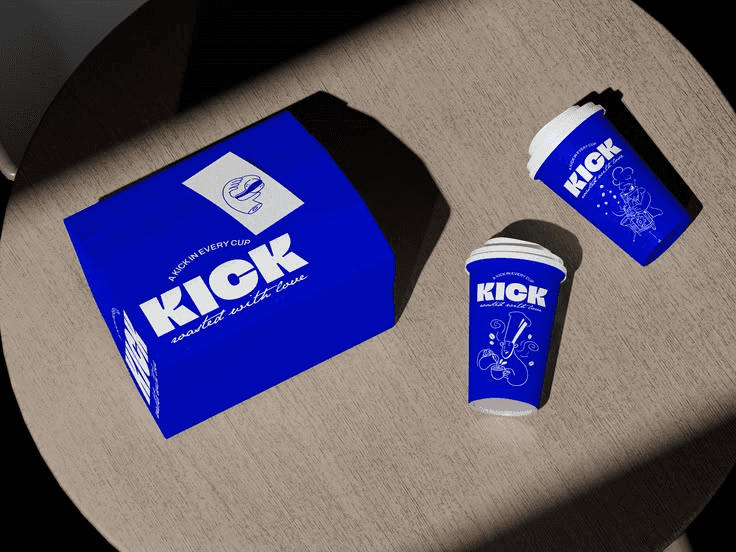
How Packaging Design Affects Buying Decisions
Category
Packaging
Published by
Dash Creators
Read Time
4 Minutes
There's a lot of noise out there about packaging design
There's a lot of noise out there about packaging design — tips, trends, templates. But very little of it actually explains the psychology behind why packaging influences what people buy. This piece is an attempt to do exactly that, because when you understand the why, the design decisions start making a lot more sense.
The decision happens before the customer knows it's happening
Most buying decisions are not rational. Research in consumer psychology consistently shows that the majority of purchase choices — especially in everyday product categories — are made subconsciously, driven by emotion, visual cues, and pattern recognition. Packaging is the primary trigger for all three. By the time a customer consciously thinks "I want this product," packaging has already done its job. It has caught their eye, communicated a set of values, and created a feeling — safe, excited, reassured, curious — that nudges them toward a decision. The rational justification comes after. The emotional pull comes from what they see first. This is why two products with identical quality and pricing can have completely different sales numbers. The one with stronger packaging wins — not because it is better, but because it communicates better.
What your packaging is communicating before anyone reads a word
Every visual element in your packaging sends a signal. The question is whether those signals are intentional or accidental.
When packaging works against you
It's worth being direct about this: packaging can actively hurt sales. Not just fail to help, actively hurt. A product with strong reviews and genuine quality can underperform simply because the packaging communicates the wrong things, confuses the customer, or positions the product incorrectly.
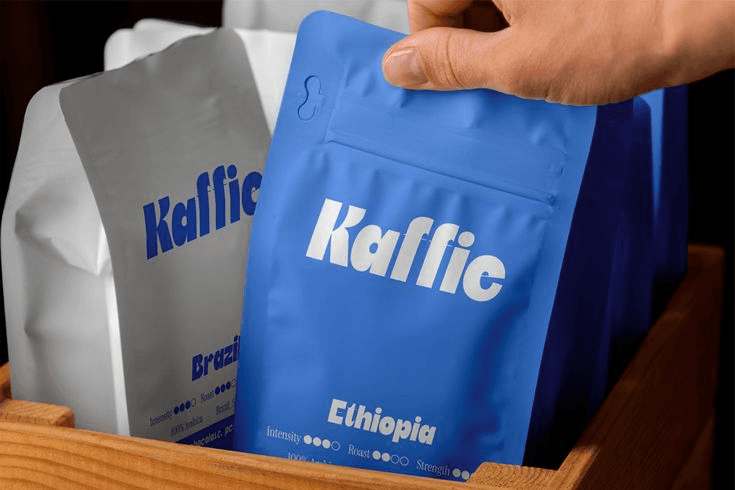
The best time to get packaging right
The most expensive packaging mistake a brand can make is treating it as a final step. When packaging is designed last, after the product, after the website, after the launch, it is almost always designed under time pressure, with a reduced budget, and without the strategic thinking it deserves. The result is packaging that doesn't represent the brand well and has to be redone sooner than it should. Packaging designed early, as part of the brand's core identity, is packaging that scales. It works whether the product is selling through a marketplace listing, a quick commerce platform, or a retail shelf. It photographs well. It is consistent with everything else the brand puts out. And it does not need to be replaced every time the brand grows. That is the real business case for investing in packaging design, not just that it looks better, but that it costs less in the long run and earns more from the start.